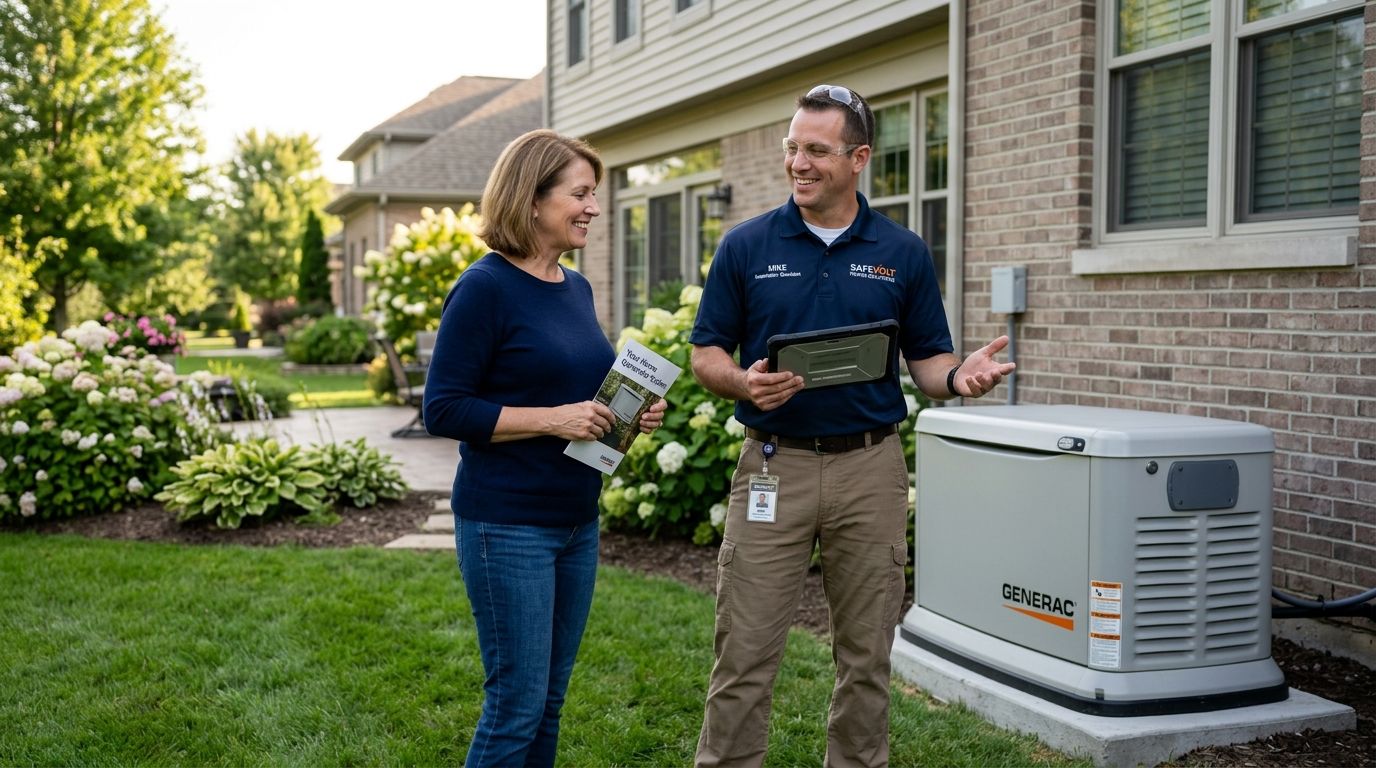
Generator installation companies generate consistent leads by pairing Google Ads campaigns built around storm and outage search intent with local SEO that dominates the map pack across their install radius, then closing the loop with a CRM that calls every new lead inside five minutes. Skip any one of those three pieces and the other two waste money — a fast sales team with no ad spend has nothing to call, and a flooded ad account with a slow callback loses the job to whichever competitor answers first.
- Google Ads plus local SEO, tied together with a five-minute callback, is the fastest path to generator installation lead generation in 2026.
- Hurricane season (June 1 through November 30) drives the sharpest spike in generator installation searches — shift budget before it starts, not during it.
- Local SEO and Google Business Profile authority convert homeowners comparing installers who aren't ready to click a paid ad yet.
- A CRM with automated speed-to-lead follow-up recovers leads that would otherwise go to a faster-responding competitor.
- Roxfire builds this Google Ads, SEO, and CRM stack for home service businesses across South Florida, including generator, HVAC, and roofing installers.
Why this matters
Generator installation is a considered purchase, not an impulse buy. Homeowners research it after a power outage, before a storm, or when a neighbor gets one installed — and they compare three to five installers before picking up the phone.
That comparison window is where most installers lose the job. Referral-only businesses stall out once the neighborhood runs dry, and installers who rely on one channel — just Google Ads, or just word of mouth — hit a ceiling long before demand does. Roxfire builds the paid, organic, and follow-up stack together specifically because generator installation lead generation breaks when any one piece is missing.
In 2026, that means treating hurricane season as a planning calendar, not a reaction trigger. Search volume for generator installation climbs weeks before a named storm even forms, and it climbs again in the quiet aftermath when power reliability is fresh on everyone's mind.
How to generate leads for generator installation companies
This is the sequence that gets an installer from zero pipeline to a booked calendar, in order:
- Build a landing page for every city or county in your install radius. A single generator installation homepage can't rank against installers with dedicated city pages.
- Run Google Ads against outage and storm-prep keywords, not just brand terms. Searches spike around power outages, storm warnings, and whole-home generator cost research — not just installer names.
- Claim and fully optimize your Google Business Profile. Install photos, service-area settings, and review volume all factor into map pack ranking before a single dollar goes to ads.
- Layer Meta Ads for pre-storm awareness. Paid social builds recognition before someone starts actively searching, so your name is already familiar when they do.
- Set up call tracking and a CRM with automated follow-up inside five minutes. This step gets skipped more than any other, and it's the one with the biggest impact on close rate.
- Track cost per booked install, not cost per lead. A cheap lead that never answers the phone costs more than an expensive one that becomes a signed job.
Google Ads for generator installation companies
Google Ads works fastest because it puts you in front of homeowners who are already searching — but only if the keyword strategy goes beyond brand terms. Outage-driven searches convert at a different intent level than cost-research searches, and they need separate ad groups and separate landing pages.
Bid strategy also needs to flex around the calendar. Spend should climb in May 2026, ahead of hurricane season, the same way seasonal hurricane season advertising works for HVAC contractors preparing for storm-driven demand.
Local SEO and Google Business Profile for generator installers
Most homeowners comparing installers never click a single ad — they scroll the map pack, read reviews, and call the top three. That's local SEO territory, and it runs on service-area pages, review volume, and citation consistency, not ad spend.
The overlap with solar installation marketing is real: both are high-ticket, permit-heavy, equipment-installation businesses competing for homeowners who research heavily before calling. The same solar installation marketing playbook — city pages, review generation, structured citations — applies almost directly to generator installers in 2026.
Meta Ads for pre-storm generator awareness
Meta Ads doesn't capture active search intent the way Google Ads does, but it builds the recognition that shortens the sales cycle once a homeowner does start searching. Running awareness campaigns in the weeks before hurricane season means your name is already familiar by the time they compare installers.
Speed-to-lead: the step most installers skip
A generator lead who contacts three installers goes with whoever answers first, not whoever has the best reviews. A five-minute callback window, backed by automated text and email follow-up, is the single highest-leverage fix most generator installation companies never make.
Why generator installation lead costs vary
- Install ticket size — whole-home units carry a longer sales cycle than portable units, and the ad platforms price that competition accordingly.
- Service radius overlap — installers competing in dense South Florida metros pay more per click than those in less-contested counties.
- Seasonality — cost per lead climbs in the weeks before and immediately after a named storm, then drops in the off-season.
- National dealer competition — branded dealer networks bid aggressively, pushing up costs for independent installers.
- Review volume and rating — profiles with more recent five-star reviews convert map pack traffic at a lower cost per booked job.
- Exclusive vs. shared leads — shared-lead vendors are cheaper per lead but close at a lower rate than leads generated on the installer's own domain.
Is Google Ads or local SEO better for generator installation leads?
Google Ads produces faster results — leads within the first week of launch — while local SEO takes longer to build but produces lower-cost leads over time. The strongest generator installation lead generation programs in 2026 run both at once instead of picking one.
How fast should a generator installer call back a new lead?
Five minutes is the target callback window for a new lead, whether it comes from a form, a call, or a chat. Every minute past that window lowers the odds the homeowner still answers or hasn't already booked with a competitor.
Should generator installers advertise before or during hurricane season?
Before. Search volume and Meta Ads engagement both climb in the weeks leading into the six-month Atlantic hurricane season (June 1 through November 30), and installers who wait until a storm is named are bidding against everyone else at the same moment.
Build your generator lead pipeline
Google Ads, local SEO, and CRM follow-up built for home service businesses.
FAQ
What's the best way to generate leads for generator installation companies in 2026?
The best approach combines Google Ads targeted at outage and storm-prep searches with local SEO built around service-area pages, backed by a five-minute callback window. Running only one channel caps growth once referrals and word of mouth run out.
Is Google Ads worth it for generator installers?
Yes, Google Ads is worth it for generator installers because it captures homeowners actively searching after an outage or ahead of a storm. It works best paired with dedicated landing pages instead of sending clicks to a generic homepage.
How much does generator installation lead generation cost?
Cost varies by service radius, seasonality, and competition from national dealer networks, and it climbs sharply in the weeks around hurricane season. Installers should track cost per booked install rather than cost per lead to judge true return.
Do generator installers need local SEO or just paid ads?
Both, because most homeowners comparing installers scroll the Google map pack and read reviews before calling, and paid ads alone don't build that map pack presence. Local SEO also keeps producing leads in the off-season when ad spend typically drops.
How fast should a generator company respond to a new lead?
A generator company should respond within five minutes of a new lead coming in, whether from a form, call, or chat. Leads called back within that window close at a higher rate than ones called back an hour later.
When should generator installers start advertising for hurricane season?
Generator installers should start advertising in May, ahead of the six-month Atlantic hurricane season that runs June 1 through November 30. Search interest climbs before a storm is even named, and waiting means bidding against every other installer at once.
Are shared leads or exclusive leads better for generator installers?
Exclusive leads generated on the installer's own domain close at a higher rate than shared leads sold to multiple competitors, even though shared leads cost less upfront. Most generator installation companies get better return building their own pipeline than buying shared lead lists.
One last thing
Most generator installers wait for a named storm to turn on ads, then wonder why cost per lead spikes overnight. The homeowners who actually book installs start researching weeks before landfall, during the quiet stretch of hurricane season when competition for ad space is thin and map pack clicks are cheap — 2026's biggest lead generation opportunity for generator installers is May and early June, not September.